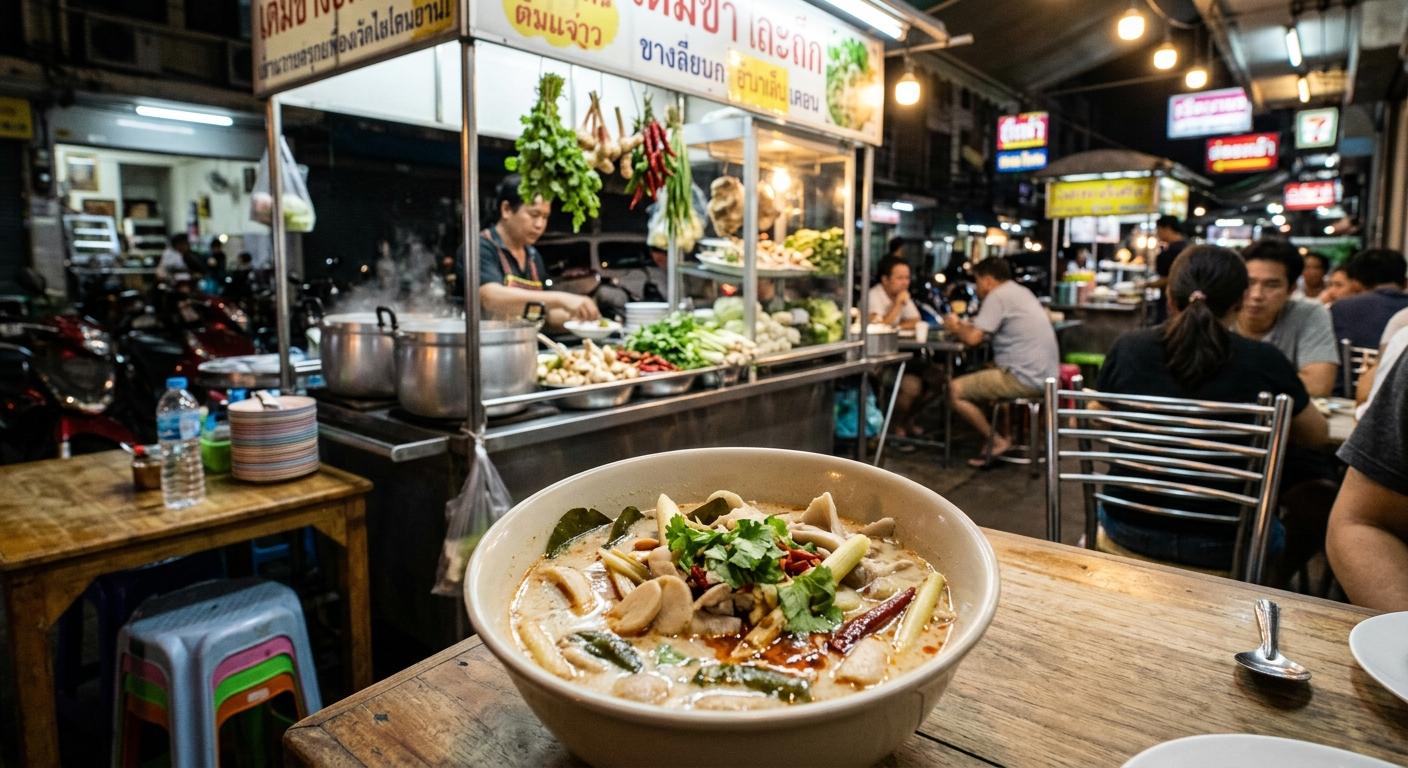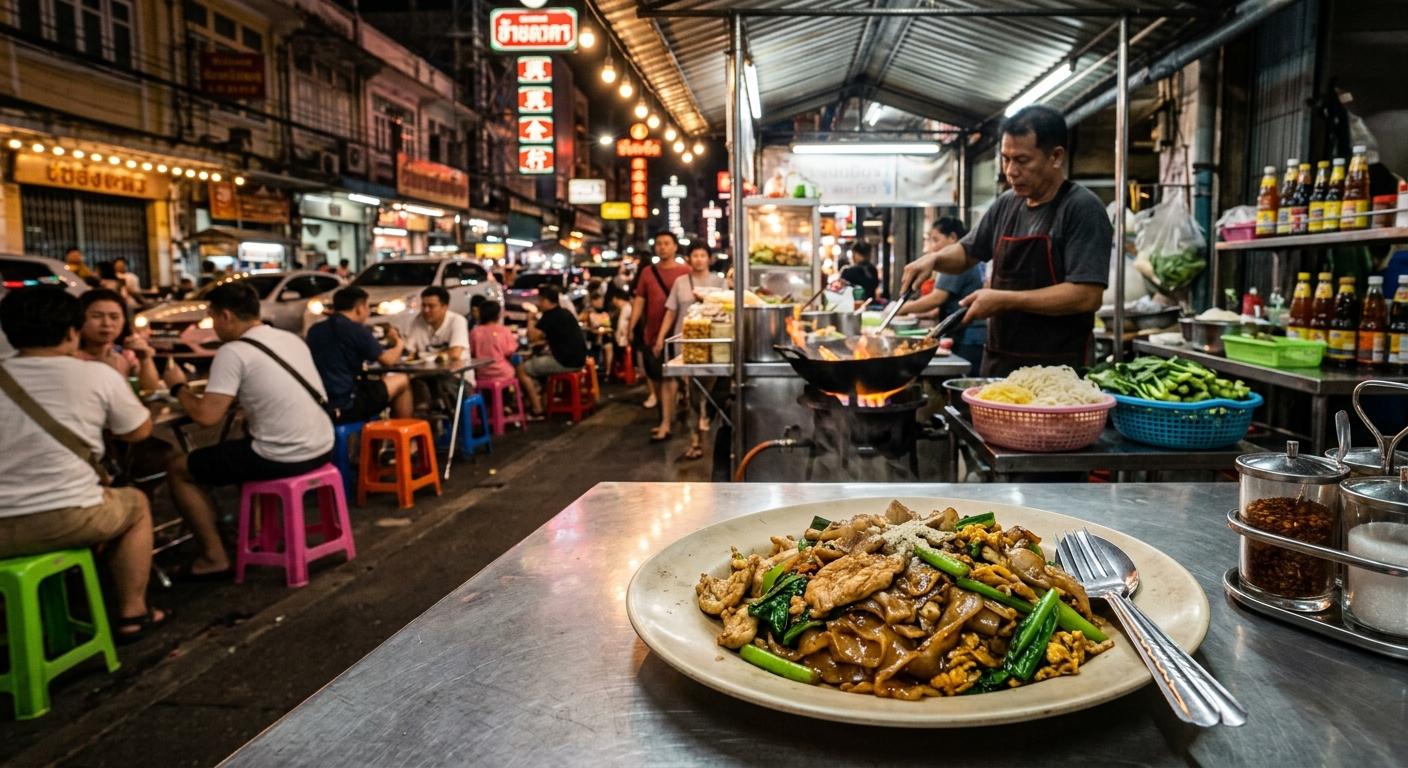

Sometimes it’s the simplest dishes that are the most surprising – and Khai Jiao, the Thai omelet, is exactly one of those. In Thailand, it often lands on the table without much fuss, usually with hot jasmine rice and a bit of chili sauce – simple, golden, crispy, and incredibly comforting.
What is Khai Jiao?
Khai Jiao (also spelled Kai Jeow) is a classic Thai omelet that is very different from a European omelet. It is fried in relatively hot oil, puffs up, and develops the typical irregular, golden-brown, slightly crispy edges. Inside it stays soft and juicy. Precisely because the recipe is so straightforward, it’s perfect for busy days, a quick lunch, or an easy dinner with a touch of Thailand.
Ingredients for 2–4 servings
- 6 eggs
- 2 spring onions, finely sliced
- 1 small shallot, very finely diced
- 1–2 tsp fish sauce
- 1/2 tsp light soy sauce
- 1 pinch white pepper
- 2–3 tbsp neutral oil for the egg mixture
- additionally about 150–200 ml neutral oil for frying in the pan
- optional: 1 red chili, finely chopped
- optional for serving: jasmine rice, sweet chili sauce, cucumber slices, fresh coriander
How to make Thai omelet – step by step
First, crack the eggs into a medium bowl. Add fish sauce, light soy sauce, and white pepper. Now comes a small but important step: beat the eggs really thoroughly – don’t just stir briefly, but whisk them for 1 to 2 minutes with a fork or whisk until light and airy. This helps the omelet puff up nicely later and gives it that loose, slightly fluffy texture.
Then stir in the finely diced shallot and the spring onions. If you like things a bit spicier, you can now add finely chopped chili. Make sure to cut the shallot really small. Large pieces release too much moisture and can cause the omelet to turn out more soft than crispy.
Now heat a small to medium non-stick pan or a wok. For an authentic Thai omelet recipe, don’t be too sparing with the oil. The omelet is not just fried, but more like shallow-deep-fried. So add enough neutral oil to the pan to cover the bottom well. The oil needs to be really hot before the egg mixture goes in. If you add a tiny drop of egg and it starts bubbling up vigorously right away, the temperature is just right.
Now carefully pour the egg mixture from a bit of height into the hot pan. This trick helps the egg puff up immediately and form the typical texture. Don’t worry if it bubbles wildly at first – that’s exactly what you want. After the first few seconds, reduce the heat slightly to medium so the omelet can turn golden brown on the outside without getting too dark.
Let the omelet fry undisturbed for the first 30 to 60 seconds. Resist the temptation to move it around right away. Only when the bottom looks set and golden brown should you carefully flip it. The easiest way is with a wide spatula. If you feel confident, you can also flip it with a quick toss – but for beginners a spatula is definitely the more relaxed option.
Fry the second side briefly, usually 20 to 40 seconds is enough. The goal is a nicely browned exterior while the inside stays juicy. If the omelet is very thick, you can gently press it down with the spatula after flipping. Don’t press hard – just enough to help it cook evenly.
When the omelet is done, lift it out of the pan and let it drain briefly on kitchen paper. This removes excess oil and keeps the crispy parts intact. Serve Khai Jiao right away, because it tastes best fresh from the pan.
Traditionally, the Thai omelet is served with hot jasmine rice. Cucumber slices add freshness, and some sweet chili sauce or a spicy chili sauce provides contrast. If you like, you can also cut the omelet into pieces and place it in the middle of the table – ideal when several people are eating.
Tips to make your Khai Jiao really good
The most important factor is the heat. If the oil is not hot enough, the egg will soak up the oil and turn out flat instead of fluffy. If it’s too hot, the omelet will brown too quickly on the outside and stay raw inside. Medium-high to high heat with a quick test drop of egg is the best guide here.
When it comes to seasoning, it’s better to aim for balance than overload. Fish sauce gives the dish its characteristic Thai flavor, but too much will make the omelet too salty. So if you’re making Thai omelet at home for the first time, increase the amount slowly.
For variations, you can add some minced meat, small shrimp, or finely chopped herbs. The base stays the same: eggs, heat, a good splash of seasoning – and the courage to let the omelet turn properly golden brown.
Why this Thai recipe is perfect for everyday cooking
Hardly any dish shows so clearly how brilliant simple cooking can be. Khai Jiao needs only a few ingredients, is ready in under 20 minutes, and tastes like real Thai comfort food. If you’re looking for a quick, authentic, and beginner-friendly Thai recipe that still makes an impression, this is it.
Sources: Authentic Thai Omelette Recipe (Kai Jiew) – Hot Thai Kitchen | Thai Street Food Pork Omelet Recipe – Eating Thai Food