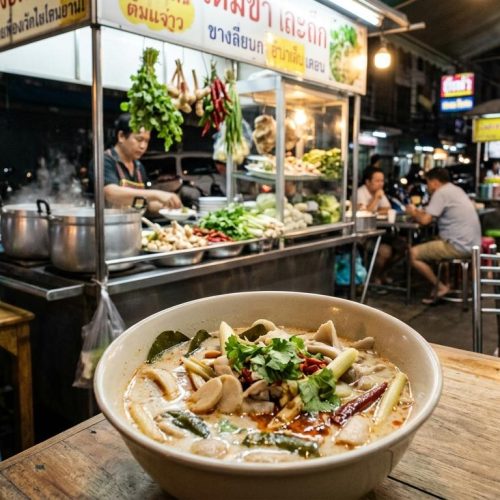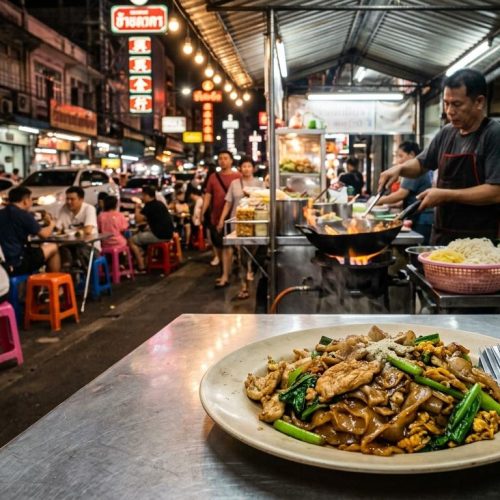
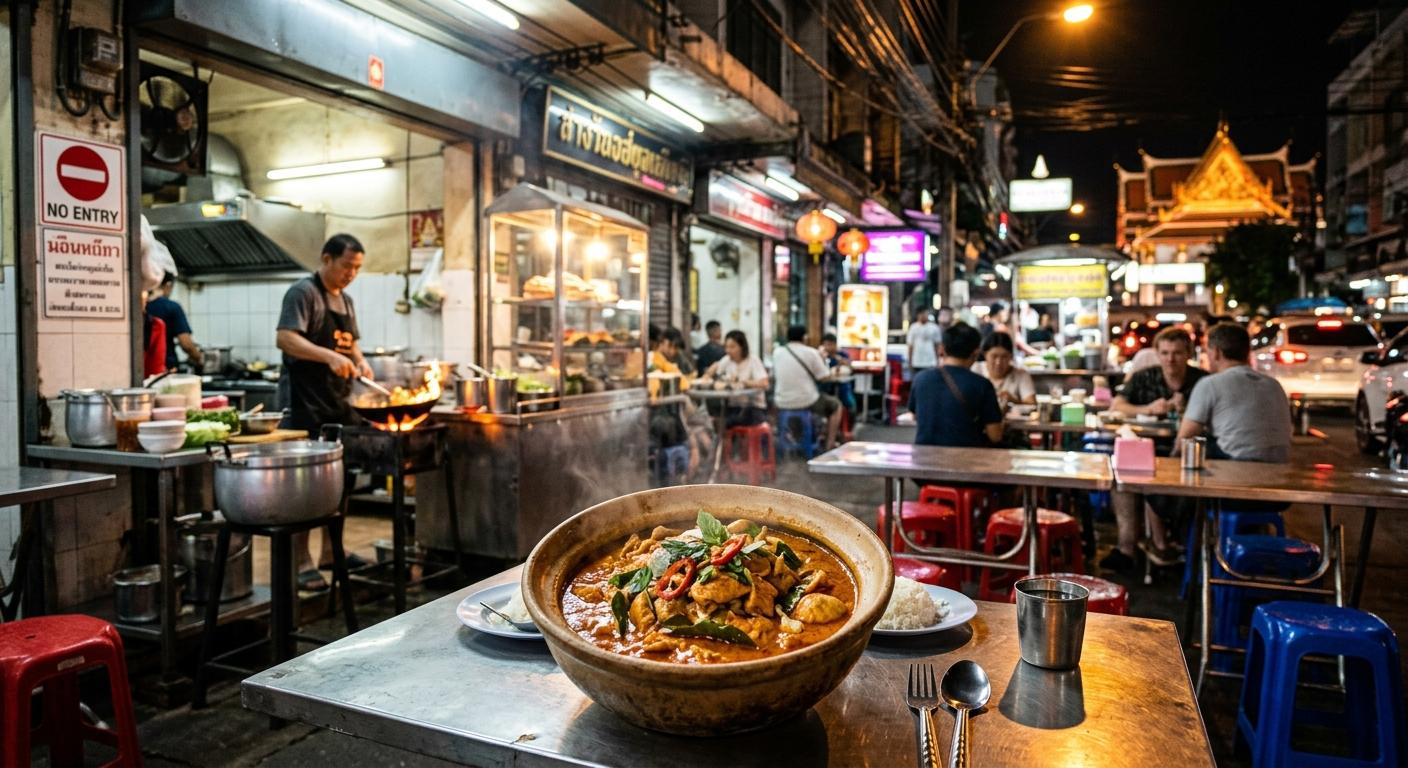
Some dishes manage, with just their very first scent, to transport you straight into a tiny street food stall somewhere in Thailand – and Panang curry is exactly that kind of comfort food. It’s creamy, intense, slightly sweet, pleasantly spicy and wonderfully suitable for everyday cooking because, despite its big flavors, it’s surprisingly quick to get on the table.
Why Panang curry is so popular
Panang curry is one of the classics of Thai cuisine and differs from many other curries mainly through its smooth, rather thick sauce. Unlike very soupy curries, the sauce here coats the meat especially nicely – and that’s exactly what makes this dish so cozy, aromatic and perfect for everyone who wants to recreate Thai food at home. For this blog post we prepare an everyday-friendly version with chicken that tastes authentic and also works well for beginners.
Ingredients for 2–4 servings
- 400 g chicken breast or boneless chicken thighs
- 3–4 tbsp Panang curry paste
- 400 ml coconut milk
- 1–2 tbsp neutral vegetable oil
- 1 small onion
- 1 red bell pepper
- 2 kaffir lime leaves, finely sliced, if available
- 1–2 tsp fish sauce
- 1 tsp palm sugar or brown sugar
- 1 tsp soy sauce, optional
- 1 small red chili, finely sliced, optional
- A few Thai basil leaves or mild basil for garnish
- 1 handful green beans, optional
- Jasmine rice for serving
Preparation: How to make creamy Panang curry step by step
Before you turn on the stove, it’s worth taking a short mise-en-place moment – that is, preparing everything once. Cut the chicken into thin, bite-sized strips. This is important because they not only cook faster but also absorb the sauce better. Peel the onion and cut it into thin half-rings, slice the bell pepper into thin strips. If you’re using green beans, cut them into short pieces. It’s best to roll up the lime leaves and slice them into ultra-thin strips – this way they release their aroma particularly well.
First, start cooking the jasmine rice so that everything is ready at the same time later. For fluffy rice, a simple rule applies: rinse well until the water runs clearer, then cook with just under twice the amount of water. While the rice is cooking, you can calmly devote yourself to the curry.
Now heat a large pan or wok over medium heat. Add the oil and then spoon in the thick, creamy layer of the coconut milk if it has separated in the can. This exact step helps to sauté the curry paste so it becomes especially fragrant. Stir in the Panang curry paste and gently fry it for 1 to 2 minutes. You’ll notice how the aroma intensifies and the paste darkens slightly – that’s when it’s just right. Important: The heat should not be too high, otherwise the spices will burn and turn bitter.
Add the onions and stir them in. If you want onions to turn translucent, they need medium heat and a bit of patience. They should become soft and lightly glossy but not develop dark edges. After about 2 minutes, add the chicken strips to the pan. Mix everything thoroughly so that every piece of meat is coated with the curry paste.
As soon as the chicken no longer looks raw on the outside, pour in the remaining coconut milk. Now the curry begins to develop its typical silky consistency. Give everything a good stir and add the bell pepper, beans and the finely sliced lime leaves. Season with fish sauce and sugar. If you’d like the flavor to be a bit rounder, you can also add a small splash of soy sauce – this is optional but very handy in many home kitchens when you want to boost the umami effect a little.
Let the curry gently simmer over low to medium heat for 6 to 8 minutes. It shouldn’t be boiling wildly but rather quietly simmering. This is exactly when the chicken stays tender and the coconut milk combines nicely with the curry paste. If the sauce seems too thin, just let it reduce uncovered for another 1 to 2 minutes. You’ll recognize the right consistency when the sauce visibly coats the meat and vegetables and clings lightly to the spoon without feeling heavy or pasty.
Now comes the most important part of Thai cooking: tasting. Try a spoonful of the sauce. If it lacks salt and depth, add a few more drops of fish sauce. If the curry has turned out too strong or too spicy, a small extra splash of coconut milk will help. Once you’ve achieved that typical fine balance of creamy, savory, slightly sweet and gently salty, your Panang curry is ready.
To serve, divide the hot jasmine rice into bowls or onto plates and spoon the curry on top or alongside. Garnish with fresh basil leaves and – if you like – with fine chili strips. This not only looks beautiful but also adds another layer of fresh, aromatic notes to the dish.
Tips for beginners
If you’re cooking Thai curry for the first time, start with a bit less curry paste and slowly work your way up to your preferred level of heat. Every paste varies in intensity. Also make sure not to cook the chicken for too long – especially breast meat can dry out quickly. And if you can’t find kaffir lime leaves, it’s no big deal: the curry also tastes excellent without them, but with them it gains that particularly typical Thai note.
Conclusion: Thai enjoyment with little effort
This Panang curry with chicken is a wonderful recipe for anyone who wants to cook Thai food without spending hours in the kitchen. It’s aromatic, creamy, well-balanced and makes a great impression both on busy weeknights and at relaxed dinners with guests. In short: a Thai recipe that comes together quickly but tastes as if it required much more effort.
Sources: Authentic Thai Panang Curry – Hot Thai Kitchen | Thai Panang Curry Beef – Hot Thai Kitchen | Panang Curry Paste – Hot Thai Kitchen