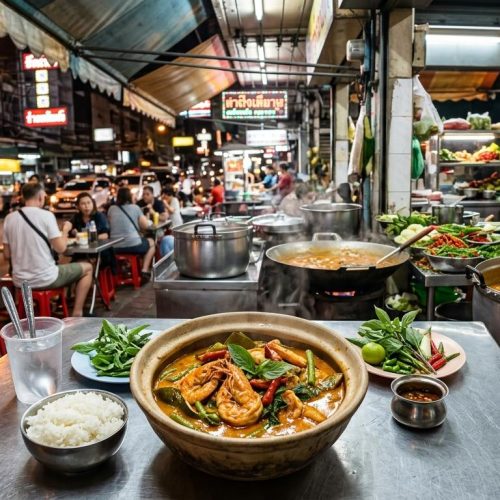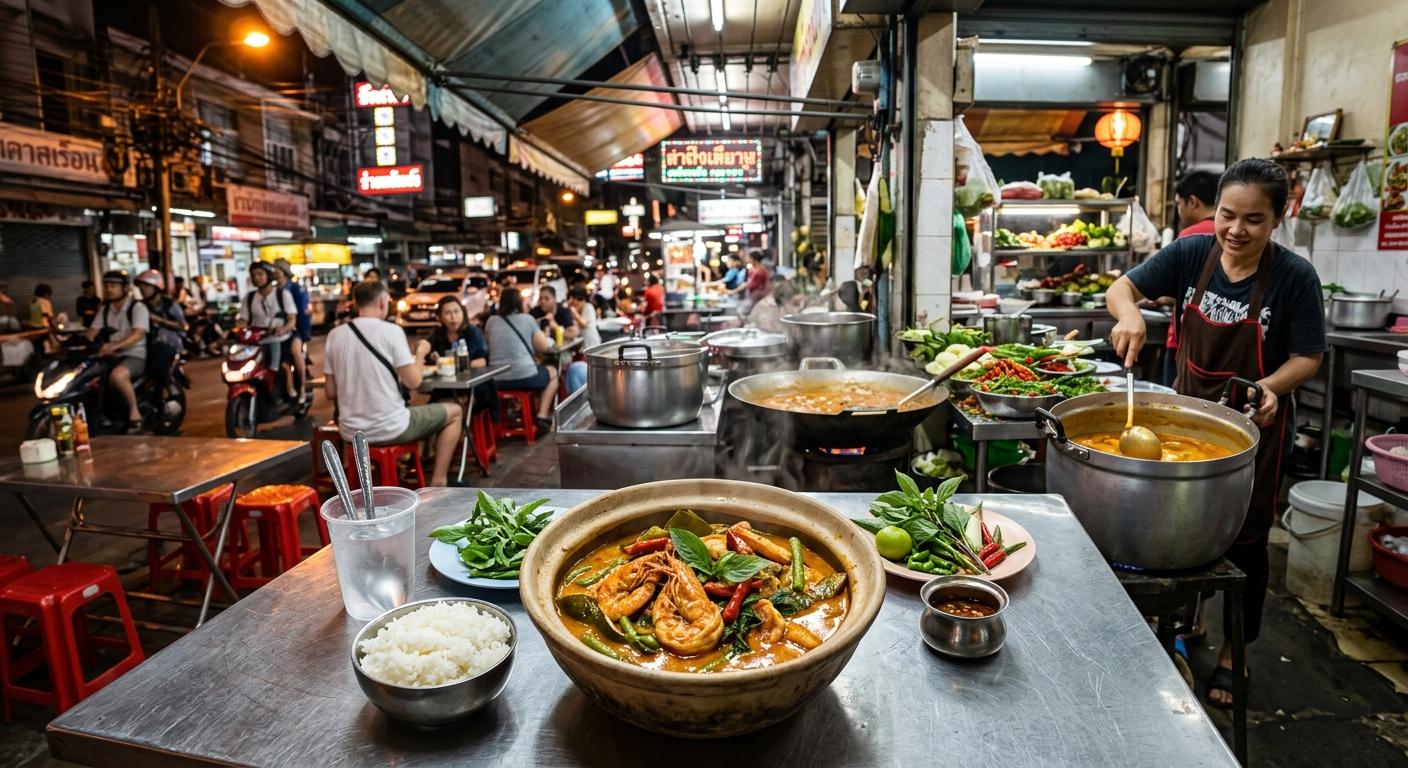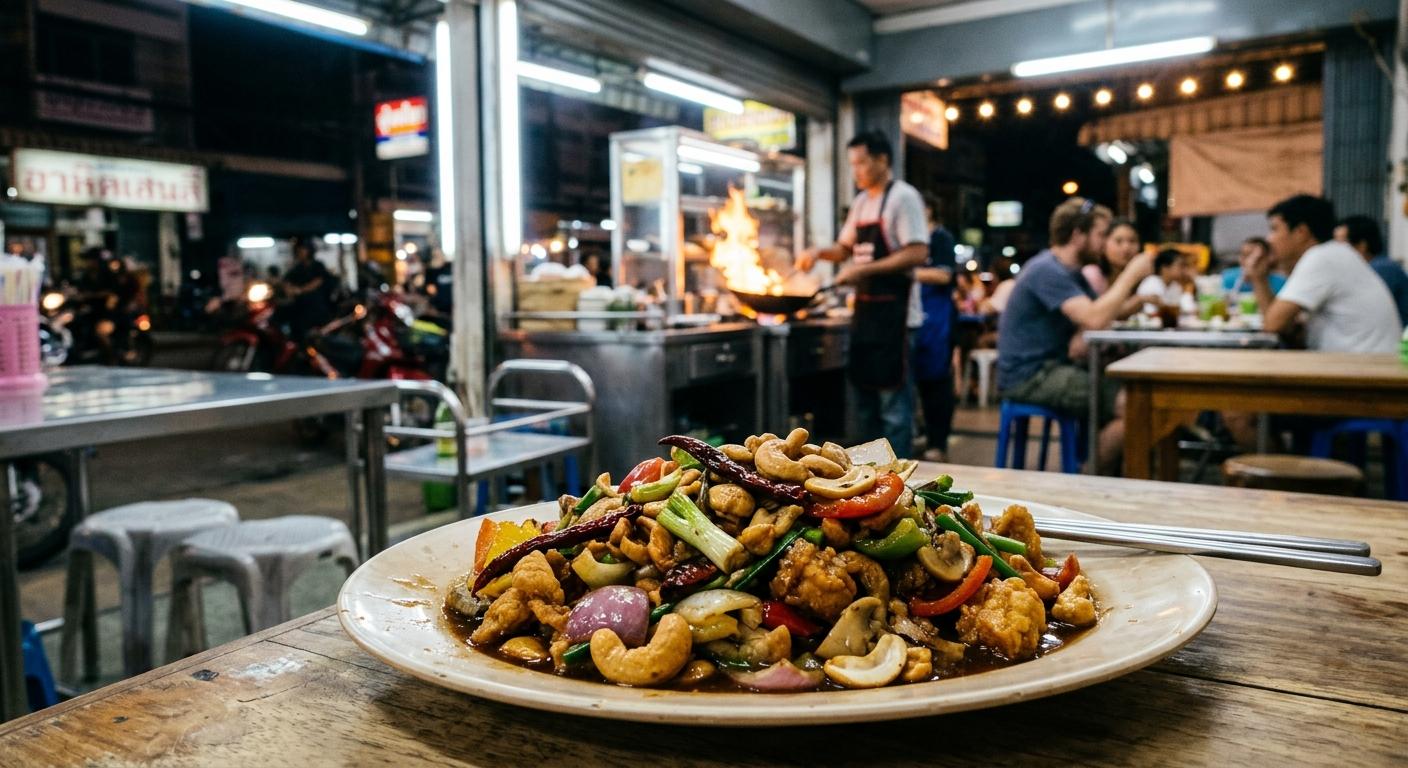
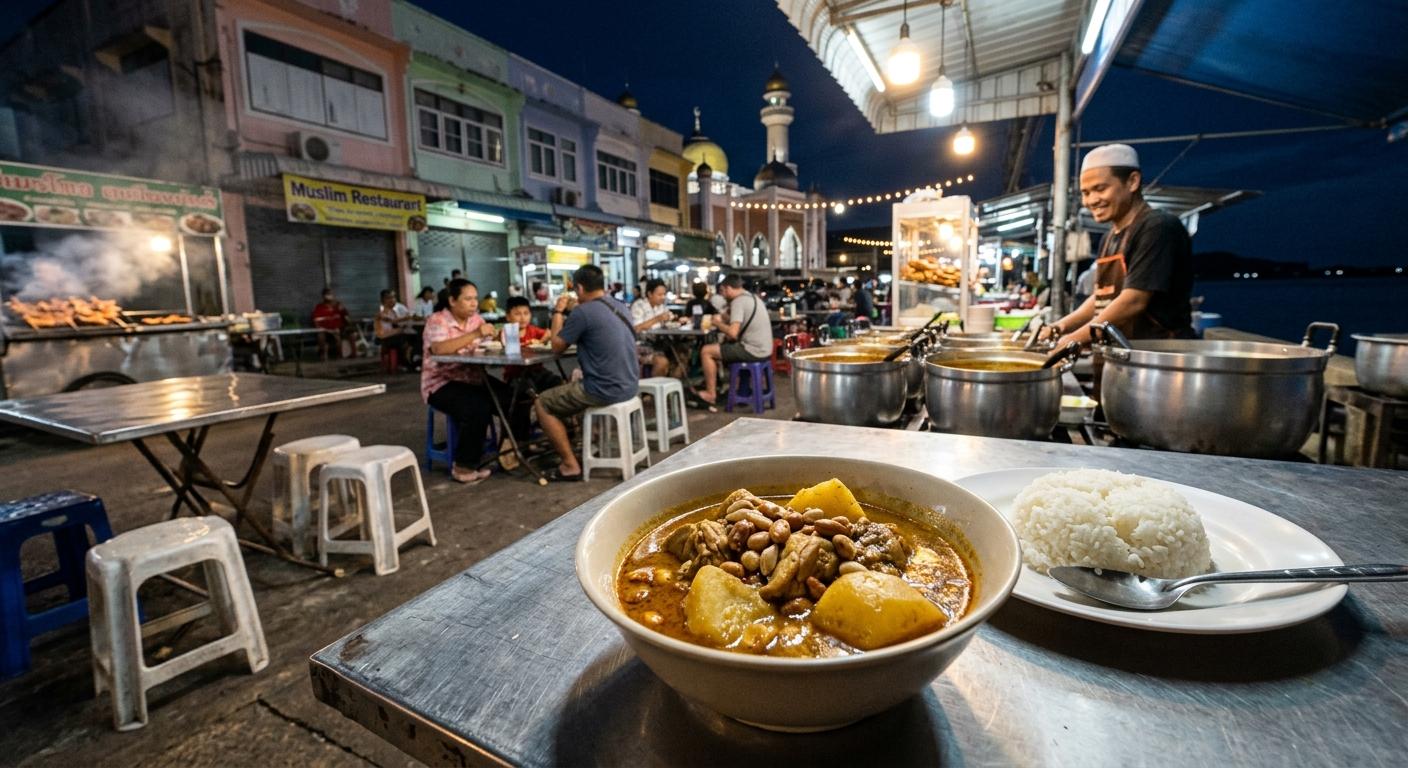
There are dishes that taste like warmth, comfort and wanderlust from the very first spoonful – and Massaman curry with chicken is exactly one of those. This Thai curry is wonderfully creamy, gently spiced, and combines the typical freshness of Thai cuisine with warm spices like cinnamon, cumin and cardamom.
Why Massaman curry is so special
Compared to many other curries from Thailand, Massaman curry is usually milder, rounder and almost velvety in taste. That’s exactly what makes it perfect for anyone who loves Thai food but doesn’t want to reach for the hottest chili right away. The combination of coconut milk, potatoes, tender chicken and roasted peanuts turns this Thai Massaman curry recipe into real comfort food – ideal for a relaxed dinner or when guests are coming and you want to impress with very little stress.
Ingredients for 2–4 servings
- 500 g boneless chicken thighs or chicken breast
- 400 ml coconut milk
- 3–4 tbsp Massaman curry paste
- 2 medium potatoes
- 1 small onion
- 2 tbsp fish sauce
- 1–2 tbsp tamarind paste
- 1 1/2 tbsp brown sugar or palm sugar
- 40 g roasted peanuts
- 1 small piece cinnamon stick, optional
- 1 star anise, optional
- 1 tbsp neutral oil, if needed
- a little water as needed
- fresh cilantro for serving, optional
- jasmine rice as a side
Massaman curry recipe: easy step-by-step
Before you get started, a little bit of prep is worth it. First peel the potatoes and cut them into bite-sized pieces – not too small so they don’t fall apart while simmering. Cut the onion into wedges or slightly thicker strips. Cut the chicken into large pieces as well. With Massaman curry, the ingredients can look a bit rustic – it suits the character of the dish beautifully.
Now place all the ingredients within easy reach next to the stove. This step sounds trivial, but it’s worth gold with Thai dishes, because later everything goes into the pot quite quickly one after another. If you’re cooking a curry for the first time, you’ll notice: with good preparation, everything suddenly feels very straightforward.
Heat a pot or deep pan over medium heat. First add the thick, creamy part of the coconut milk – if the coconut milk in the can has separated, that’s ideal. Let it gently heat for 1 to 2 minutes, then stir in the curry paste. Now comes the most important step for building flavor: the paste should briefly fry in the coconut milk so its spices can fully develop. Stir regularly so nothing sticks. After a short time, it will smell intense, spicy and slightly sweet – that’s when you know you’re on the right track.
If the coconut milk is very homogeneous and no rich, fatty part separates, you can add a small splash of neutral oil if necessary. This helps the curry paste open up better. The main thing is: don’t let it get too hot. The paste should fry, not burn.
Now add the chicken and turn it well in the curry mixture. It doesn’t need to be cooked through yet; it should just be coated all over with the sauce at first. Then add the remaining coconut milk, the potatoes, the onion, the fish sauce, the sugar and the tamarind paste to the pot. If you like, you can also let a small piece of cinnamon stick and a star anise simmer along – this highlights the warm, characteristic flavor of Massaman curry especially nicely.
Stir everything well and add a small splash of water if needed, so the potatoes are just covered with liquid. Then reduce the heat to low to medium. The curry shouldn’t boil wildly now, but rather simmer gently. This way, the chicken stays juicy and the sauce can slowly become thicker and more aromatic.
Let the curry simmer for about 20 to 30 minutes. Check on it every now and then and stir gently, especially along the bottom of the pot. The potatoes are done when a knife slides in easily. The sauce should be creamy in the end and lightly cling to the ingredients. If it’s still too thin, just let the curry simmer a few more minutes without a lid. If it gets too thick, a small splash of water or coconut milk will fix it.
Now for the finishing touch: add the roasted peanuts and taste the curry. If it’s lacking depth, a splash of fish sauce often helps. If it’s too intense, a bit more coconut milk can balance it out. If the typical sweet-sour balance is missing, add a little more sugar or tamarind – but always in small amounts. This fine-tuning is exactly what makes a good Thai Massaman curry so well-rounded in the end.
In the meantime, it’s best to cook some jasmine rice, as it soaks up the creamy sauce beautifully. Serve the curry hot in bowls and sprinkle with some fresh cilantro if you like. Already while serving you’ll see why this dish has so many fans: the sauce is soft and full-bodied, the potatoes soak up the spices, and the chicken turns out wonderfully tender.
If you want to impress guests, this Massaman chicken curry recipe is a safe choice. It tastes as if it had received hours of attention, even though the process is pleasantly simple. And the best part: the next day it’s often even more flavorful, because the spices have had more time to develop.
Tips for an extra good Massaman curry
If possible, use chicken thighs instead of breast if you want an especially juicy result. Also make sure to briefly fry the curry paste properly – this step often decides whether the curry tastes just good or really aromatic. And don’t worry if you have to adjust with fish sauce, sugar or tamarind the first time: this balancing act is a completely natural part of Thai cooking.
Sources: Authentic Thai Massaman Curry with Chicken – Hot Thai Kitchen | Massaman Curry Paste Recipe – Hot Thai Kitchen | Background on Massaman curry and its spices – Eating Thai Food