A Thai curry that tastes like vacation
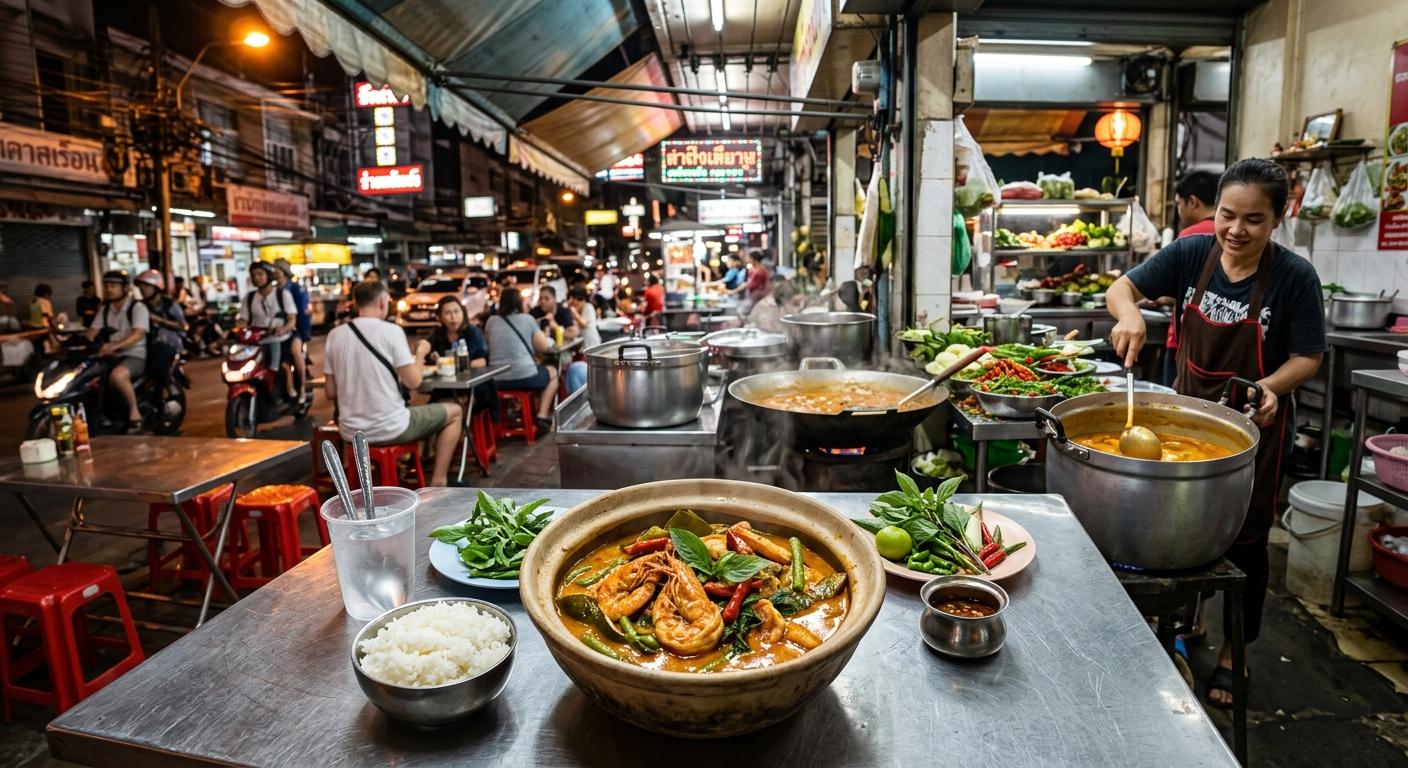
Some dishes manage with their very first scent to transport you straight in your mind to a small street food stall in Bangkok – and that’s exactly the case with Thai shrimp in red curry. This creamy, mildly spicy dish combines coconut milk, red curry paste, and juicy shrimp into a meal that is both uncomplicated and wonderfully aromatic.
Ingredients for 2–4 servings
- 300–400 g raw shrimp, peeled and deveined
- 400 ml coconut milk
- 2–3 tbsp red Thai curry paste
- 1–2 tbsp neutral oil or 2 tbsp of the solid coconut cream from the can
- 1 red bell pepper
- 1 small zucchini
- 1 small onion or 2 shallots
- 1–2 cloves of garlic
- 1 handful of snow peas or green beans
- 3–4 kaffir lime leaves, optional
- 1 tsp brown sugar or palm sugar
- 1–2 tbsp fish sauce
- 1 tsp lime juice
- 1 small red chili, optional
- A handful of fresh Thai basil or cilantro
- Freshly cooked jasmine rice for serving
How to make Thai red curry with shrimp step by step
First, calmly prepare all the ingredients. This is especially important for a Thai curry because the actual cooking goes quite quickly later on. Slice the bell pepper into thin strips, the zucchini into half-moons, and the onion into thin wedges. Finely chop the garlic. If you’re using green beans, cut them into bite-sized pieces. If needed, briefly rinse the shrimp under cold water and then pat them dry with kitchen paper. This way they cook nicely later and don’t water down the sauce.
Now it’s best to start cooking the jasmine rice right away so that everything is ready at the same time in the end. While the rice is cooking, you can fully focus on the curry. Heat a large pan or wok over medium heat. Add the oil – or, if you like it especially aromatic, the solid coconut cream from the coconut milk. As soon as the fat is warm, add the red curry paste.
This is where the most important flavor step begins: Fry the curry paste for 1 to 2 minutes, stirring constantly. The paste should not become dark, but it should be noticeably fragrant. This is exactly when the spices really unfold their flavor. If the paste becomes too dry or sticks to the bottom of the pan, simply add a small splash of coconut milk. This is an easy trick to prevent burning while keeping the spices intense.
Next, add the onion and garlic to the pan. Let both cook briefly until the onions are soft and slightly translucent. “Translucent” in this case means: The onion loses its raw, sharp look and appears slightly see-through without yet turning brown. That’s when it’s perfect, because it develops sweetness without tasting roasted.
Now gradually pour in the coconut milk. It’s best to start with about half so the curry paste can be stirred in smoothly. Stir everything thoroughly until you get a smooth, orange-red sauce. Then add the rest of the coconut milk. If you’re using kaffir lime leaves, lightly crush them between your fingers and add them to the sauce now. This helps them release their fresh, citrusy aroma.
Now it’s time to season the curry: with fish sauce, sugar, and a splash of lime juice. Don’t worry if the sauce tastes a bit strong or unfamiliar at first – it will become milder once the vegetables and shrimp cook in it. The key is balance: salty, slightly sweet, creamy, and with a gentle heat. That’s exactly what makes a good Thai curry with shrimp.
Add the bell pepper, zucchini, and snow peas or beans to the sauce and let everything simmer gently over medium heat for about 4 to 6 minutes. The sauce should not be boiling vigorously, but rather simmering quietly. This is how you know the vegetables are cooking evenly and the coconut milk is staying nice and creamy. If the sauce seems too thick, you can add 2 to 4 tablespoons of water. If it’s too thin, simply let it cook uncovered for a few more minutes. The right consistency is reached when the sauce lightly coats a spoon and no longer runs off it like water.
Only at the very end do the shrimp go in. This is important because they really don’t need long. Gently stir them into the sauce and let them cook for about 2 to 4 minutes, depending on their size. As soon as they are pink and slightly curved, they are done. If they curl up tightly and become rubbery, they’ve been in the pan for too long. So it’s better to take them off the heat a bit earlier rather than too late.
If you like, add finely sliced red chili now for more heat. Finally, fold Thai basil or cilantro into the curry. The fresh herbal aroma really makes the whole dish shine. Remove the lime leaves before serving if you don’t want to eat them.
Serving and small kitchen tips
Serve the red Thai curry with shrimp immediately, preferably with fluffy jasmine rice. The rice soaks up the creamy sauce beautifully and makes the dish nicely balanced. If you have guests, you can serve the curry in a large bowl and garnish it with a few herbs, chili rings, and lime wedges – it not only looks pretty, but also makes everyone want to dig in right away.
One last tip for beginners: Increase the amount of curry paste slowly. Every brand is different in terms of heat and intensity. Start with 2 tablespoons and add more if needed. This way your Thai shrimp curry stays aromatic without being overwhelmingly hot. That’s the magic of this dish: It tastes like Thailand, yet it’s absolutely suitable for everyday cooking and easy to recreate at home.
Sources: Thai red curry basics and cooking with curry paste | Information about red Thai curry paste and typical ingredients | Facts about shrimp in Thai cuisine