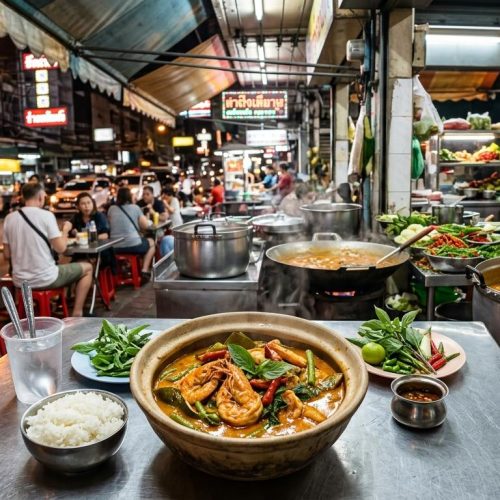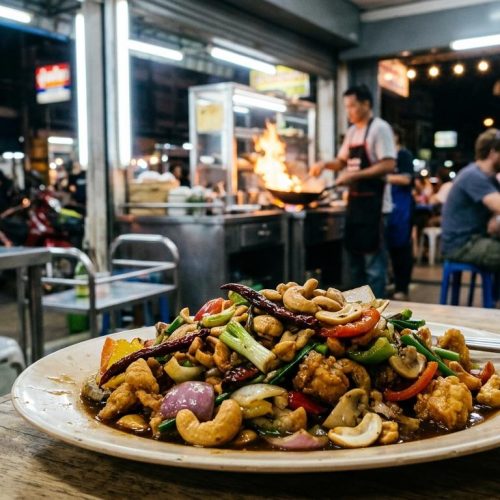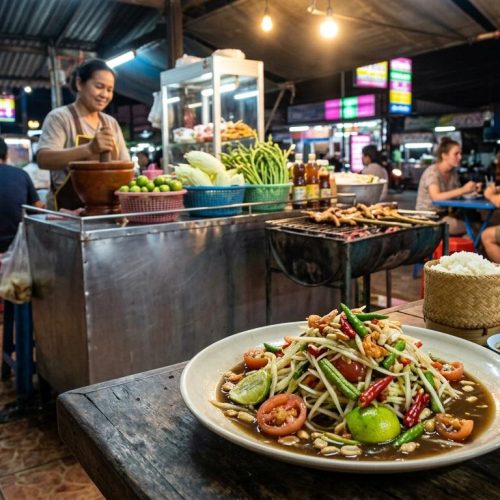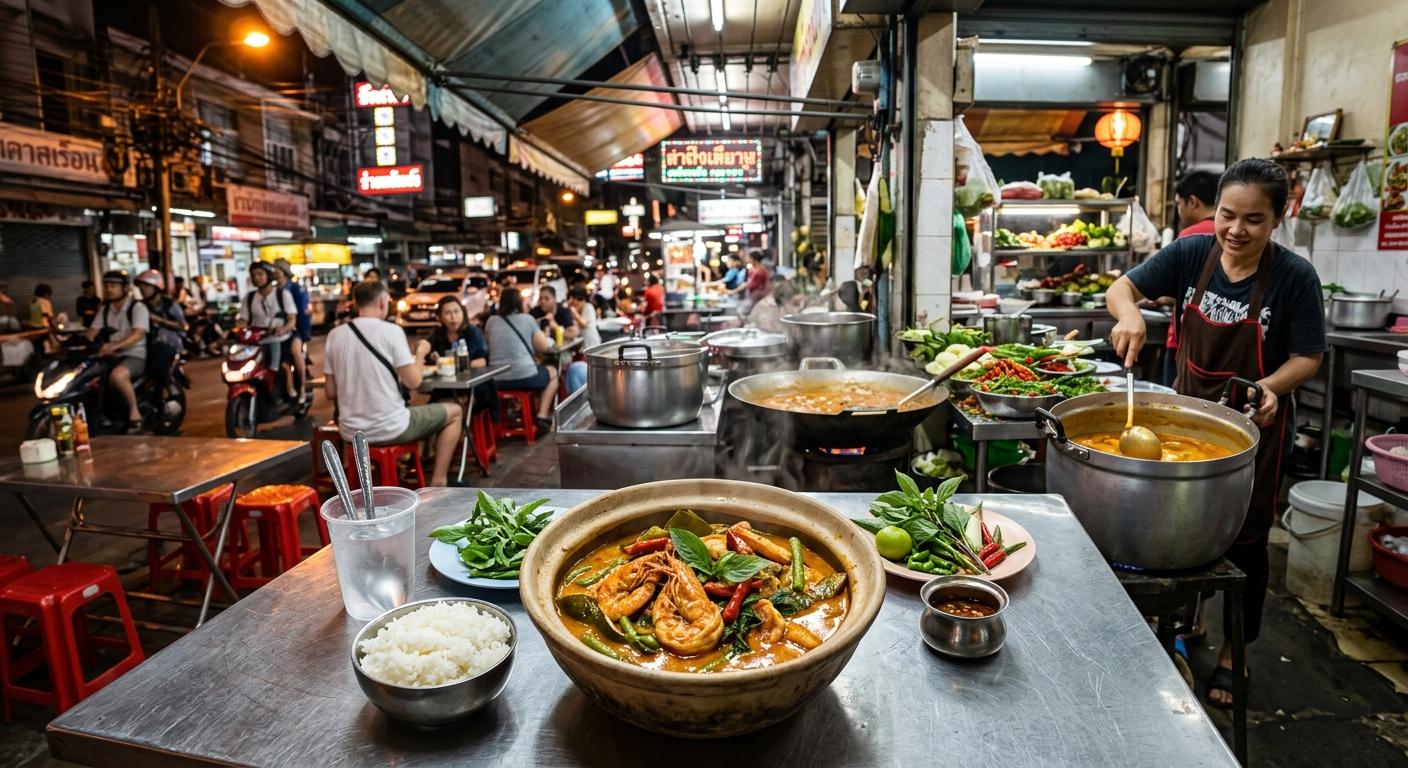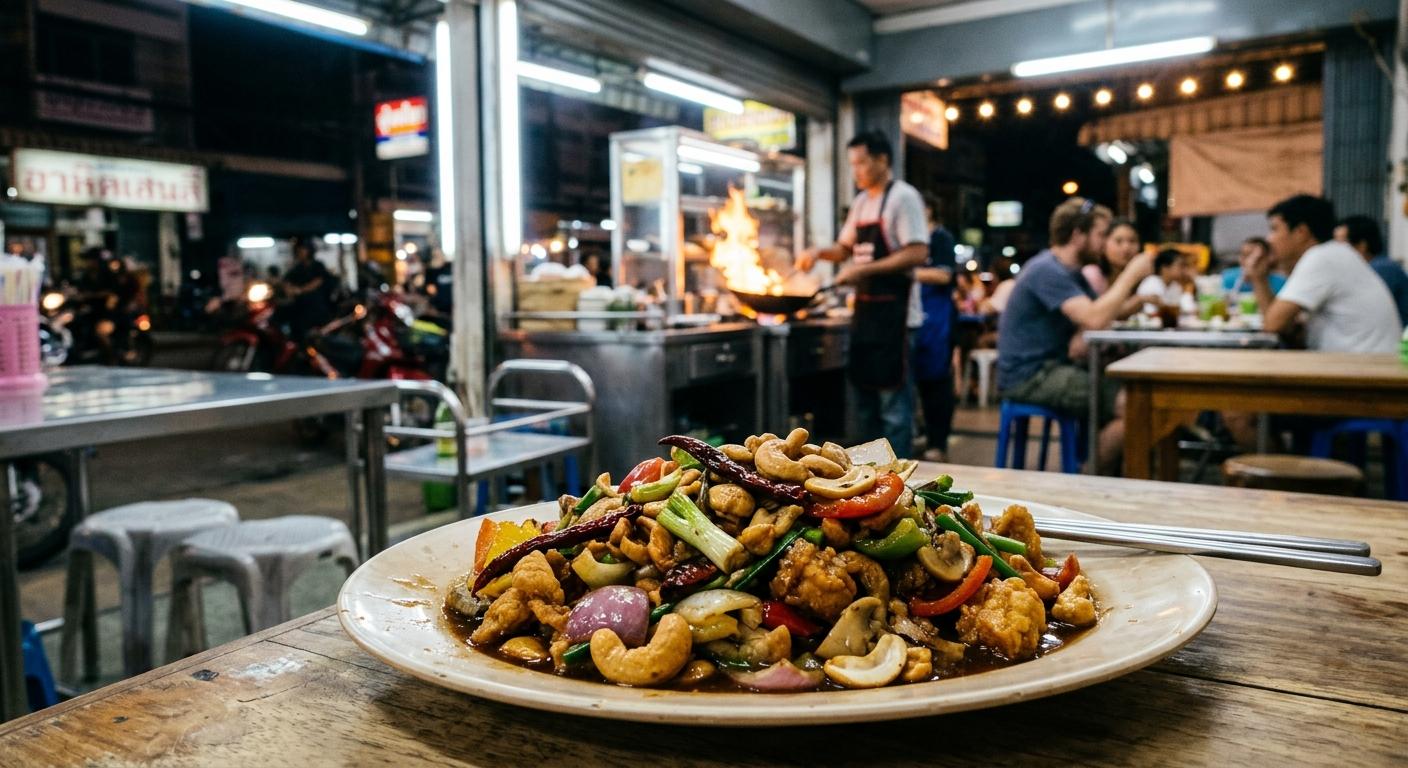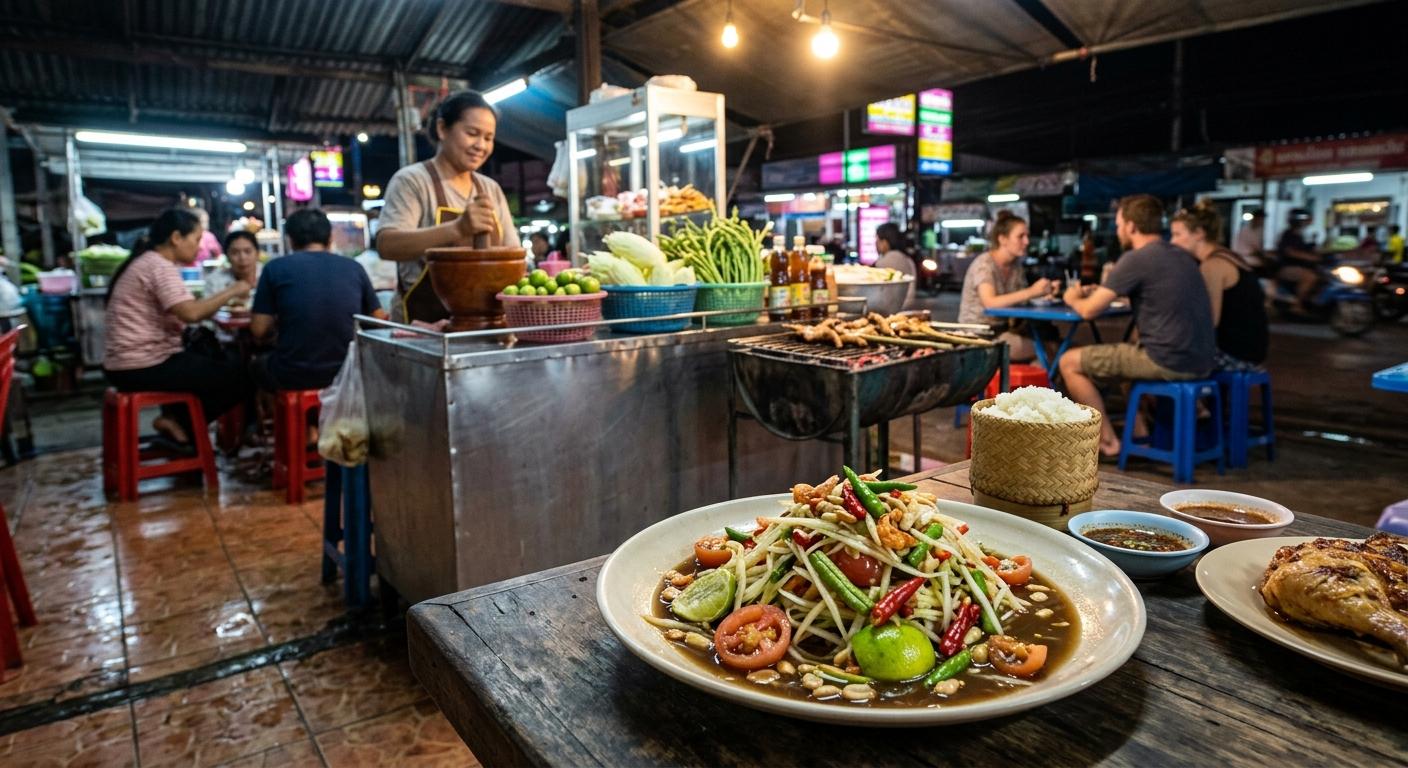
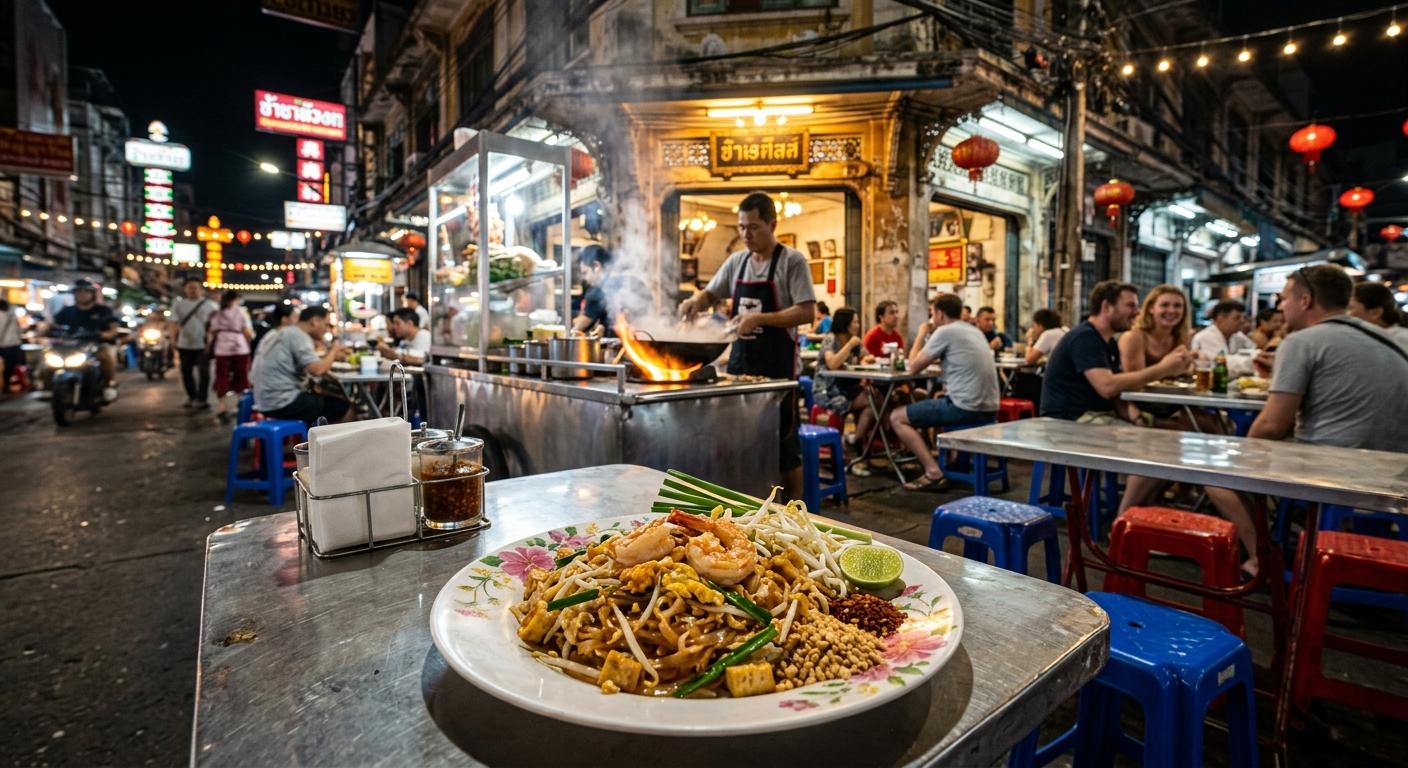
A good Pad Thai tastes like Bangkok in a bowl: sweet, salty, tangy, and slightly nutty – with exactly the kind of aroma that makes you hungry as soon as it hits the hot pan. The dish is considered a Thai classic all over the world, but when prepared at home it really shows how finely balanced and surprisingly uncomplicated real Thai cooking can be.
Why Pad Thai is so popular
Pad Thai is one of the best-known dishes in Thai cuisine and lives from its exciting combination of rice noodles, tamarind, fish sauce, egg, crunchy bean sprouts, and roasted peanuts. Unlike many restaurant versions, an authentic Pad Thai is not just sweet or heavy, but wonderfully balanced. That’s exactly what makes it a perfect recipe for everyone who wants to recreate Thai street food at home.
Ingredients for 2–4 servings
For 2 large or 4 smaller portions you need:
**For the sauce:**
– 3 tbsp tamarind paste
– 2 tbsp fish sauce
– 2 1/2 tbsp palm sugar or brown sugar
– 3 tbsp water
**For the Pad Thai:**
– 200 g medium-width rice noodles
– 2 tbsp neutral oil
– 2 garlic cloves, finely chopped
– 2 shallots, finely diced
– 150 g shrimp or chicken cut into small pieces
– 100 g firm tofu, cut into small cubes
– 2 eggs
– 2 tbsp dried small shrimp, optional
– 150 g bean sprouts
– 3 spring onions, cut into 3–4 cm long pieces
– 3 tbsp roasted peanuts, roughly chopped
– 1 lime, cut into wedges
**Optional for serving:**
– chili flakes
– extra lime wedges
– a few more peanuts
Pad Thai recipe: step-by-step instructions
First, take care of the rice noodles. Place them in a large bowl and cover them with room-temperature water. Let them soak for about 45 to 60 minutes until they are flexible but still have a slight firm core. They should not be completely soft, as they will continue to cook later in the pan. If the noodles become too soft, they quickly stick together and lose their nice structure while frying.
While the noodles are soaking, prepare the sauce. Put tamarind paste, fish sauce, sugar, and water in a small pot or a bowl. Stir everything thoroughly until the sugar has mostly dissolved. The sauce should taste intense – slightly tangy at first, then salty, and finally pleasantly sweet. This exact mix is what makes an authentic Pad Thai. Set the sauce aside so everything is ready to go when you start cooking.
Now comes the most important tip for beginners: prepare all the ingredients completely before you turn on the stove. Thai dishes cooked in a wok or large pan cook very quickly. If you still have to slice spring onions or crack eggs while cooking, something will usually already have turned too dark.
Heat a large pan or wok over medium-high to high heat. Add 1 tablespoon of oil and start by frying the tofu. It should become lightly golden brown on the edges. Depending on the pan, this takes about 3 to 4 minutes. Then remove it from the pan for a moment. If needed, add a bit more oil to the pan and fry the shrimp or chicken until the protein is almost cooked through. Shrimp will turn a nice pink and become firm, while chicken should be white on the outside and lightly browned. Remove this from the pan as well for a moment.
Now add garlic and shallots to the hot pan. Fry both only briefly, for about 30 to 60 seconds. The shallots should become soft and slightly translucent. Translucent means they no longer look raw and dull, but soft, shiny, and aromatic, without turning brown. If the garlic starts to get too dark, immediately reduce the heat a little – burnt garlic quickly tastes bitter.
Now add the drained noodles to the pan. Gently separate and spread them with tongs or two wooden spoons so they don’t tear. Pour the sauce over them and mix everything calmly but quickly. At first the noodles may still seem a bit firm, but after 1 to 2 minutes they will absorb the liquid. If the pan becomes too dry and the noodles are still too hard, a small splash of water will help. Really only a little – 1 to 2 tablespoons are often enough.
Push the noodles to the side of the pan so that there is some space in the middle. Crack the eggs into this space and let them set for a few seconds. Then gently scramble them until creamy and just barely set, and then fold them into the noodles. This way they distribute nicely throughout the dish and give the Pad Thai its typical soft binding.
Now return the tofu, shrimp or chicken, and optionally the dried shrimp to the pan. Mix everything thoroughly. Finally, fold in most of the bean sprouts and the spring onions. These ingredients need very little cooking time. They should just become warm but keep their fresh crunch. It’s exactly this contrast between soft noodles and crisp vegetables that makes Pad Thai so good.
When the sauce is almost completely coating the noodles and there is no watery liquid left in the pan, the dish has the right consistency. The noodles should look glossy and supple but not be swimming in sauce. Remove the pan from the heat right away so nothing overcooks and turns mushy.
Serve the Pad Thai on plates and sprinkle with chopped peanuts. Add lime wedges and chili flakes to taste. A squeeze of fresh lime right before eating brings out the tamarind note beautifully and balances everything.
Tips for authentic Pad Thai at home
If you want to cook Pad Thai like in Thailand, pay particular attention to the sauce and the cooking time of the noodles. Sauce that is too sweet will overpower the fine flavors, and too much liquid will make the dish heavy. It’s better to work with high heat, well-prepared ingredients, and short cooking times. And one more small kitchen trick: if you don’t have a huge pan, cook two smaller batches one after another. That way the noodles fry better instead of just steaming.
Conclusion: Thai street food made easy at home
Making Pad Thai yourself is much easier than it looks at first glance. Once the ingredients are prepped and you fry the noodles with a bit of attention, you’ll get a wonderfully aromatic Thai noodle dish that tastes fresh, balanced, and wonderfully comforting – perfect for a quick dinner with a special holiday feel.
Sources:
Hot Thai Kitchen – Authentic Pad Thai Recipe: authentic Pad Thai recipe
ImportFood – Pad Thai Recipe: original Thai Pad Thai
Eating Thai Food – Pad Thai overview in Bangkok menus: Pad Thai as classic Thai street food